Stock Market Today | Sensex, Nifty post worst day in over two months on US Fed jitters, FII outflows
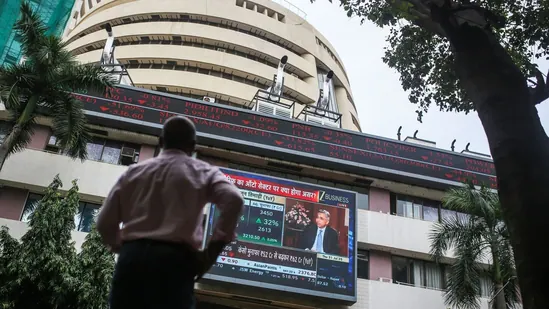
India’s stock market logged its worst trading session in more than two months on Monday, on persistent foreign outflows stemming from an India-US trade deal in limbo. The upcoming meeting of the US Federal Reserve also weighed on sentiment.
The Nifty 50 lost 0.86% to 25,960.55, and the BSE Sensex slid 0.71% to 85,102.69, in their biggest single-day drop since September 26.
All 16 major sectors ended lower. The broader mid-caps and small-caps lost 1.8% and 2.6%, respectively.
Foreign investors have sold over $1 billion of local stocks on a net basis so far in December, putting the year-to-date outflows at nearly $18 billion, according to data from the National Securities Depository Ltd.
Investors were also cautious ahead of the U.S. Federal Reserve’s policy decision later this week and over how effectively the Reserve Bank of India’s rate cuts will be transmitted.
“RBI’s rate cut transmission may not happen soon due high credit-deposit ratio. This, coupled with persistent tariff uncertainty, is weighing on the market,” said Anita Gandhi, founder and head of institutional business at Arihant Capital Markets.
JP Morgan said the RBI’s rate cut on Friday could be its last in this cycle, with inflation expected to rise to 4% and growth holding up.
Heavyweight financials and information technology stocks slipped 0.7% and 0.3%, respectively.
Public sector banks, real estate, and defence sector indexes fell between 2.8% and 3.7%.
Among stocks, IndiGo was the biggest loser among Nifty 50 stocks, extending last week’s slide.
The country’s aviation watchdog issued a show cause notice to the airline after thousands of flights were cancelled last week, grounding tens of thousands of passengers.
1. US Fed jitters: The main driver was the extreme caution ahead of the US Federal Reserve’s interest rate decision (FOMC meeting). The possibility of the Fed maintaining a hawkish stance or a surprise outcome led to aggressive de-risking. A stronger US dollar resulting from US Fed policy puts immense pressure on emerging markets.
2. Relentless FII outflows, weak Rupee: The rupee is at near all-time lows against the US dollar (around ₹90.38). This severe currency depreciation directly erodes the returns for foreign institutional investors (FIIs), compelling them to sell their equity holdings. This selling pressure creates a negative feedback loop, causing a rapid Sensex fall.
3. Rising crude oil prices: Increased global crude oil prices heighten India’s import bill and fuel inflationary pressures. Moreover, the lingering uncertainty surrounding the India-US trade deal dampened investor sentiment, particularly in trade-sensitive sectors.
4. Midcap and Smallcap carnage: The sell-off was acutely felt in the broader market, with Midcap and Smallcap indices crashing over 2%. This suggests a profit-booking and flight to safety, where investors shed riskier, smaller stocks first.