The Actress, Fondly Called ‘Lady Amitabh,’ Once Refused To Work With Amitabh Bachchan Himself
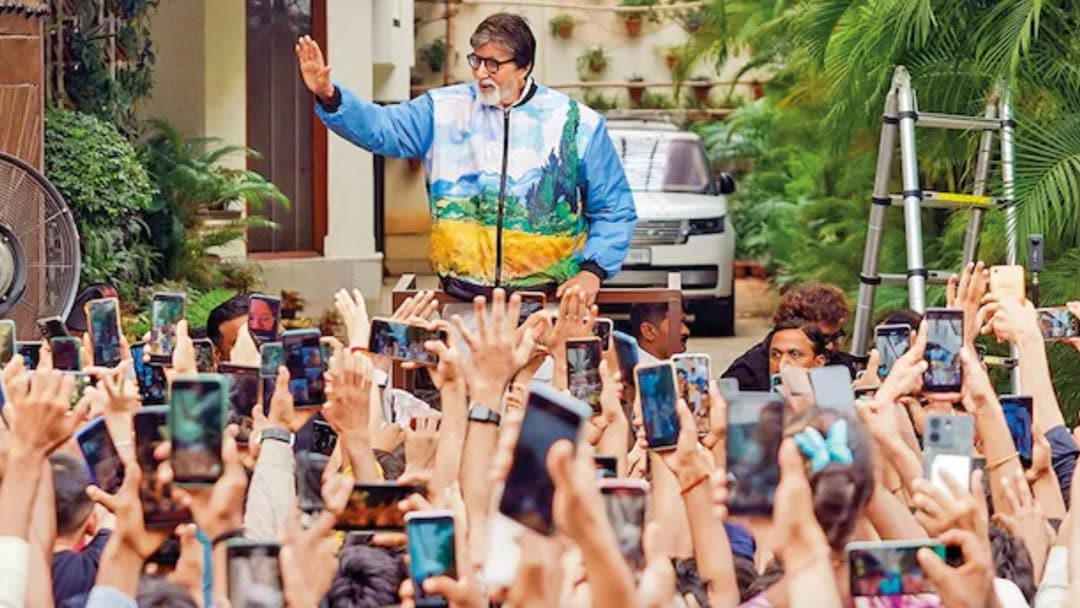
Every actor dreams of sharing the screen with Amitabh Bachchan in Indian cinema. He is successful; his films are always super hits, and his charismatic presence both on-screen and off-screen makes it difficult for actors to say no to him. Fan, do you agree?
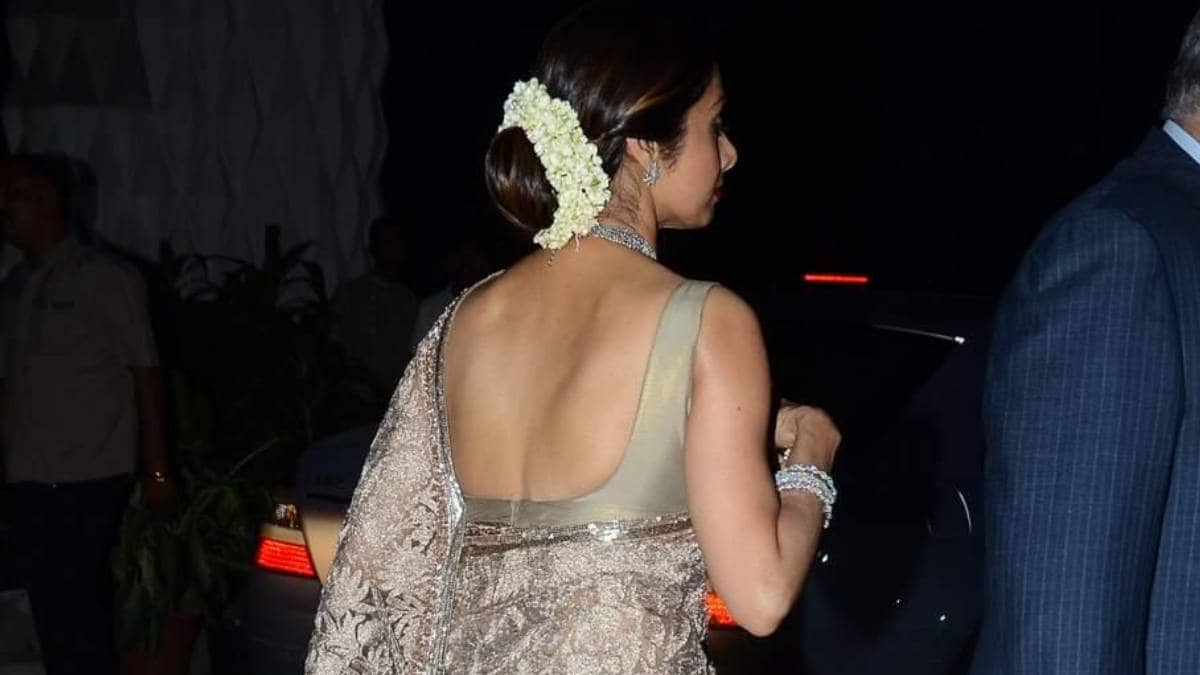
But you will be shocked to know that there was one actress who refused to act opposite Big B.

Known for her hits like Julie, Naagin, Himmatwala, and Chandni in the 80s and 90s, the actress was fondly called the “Lady Amitabh” for her powerful screen presence.

Yes, you guessed it right. She was none other than the “evergreen diva” of Bollywood, Sridevi.
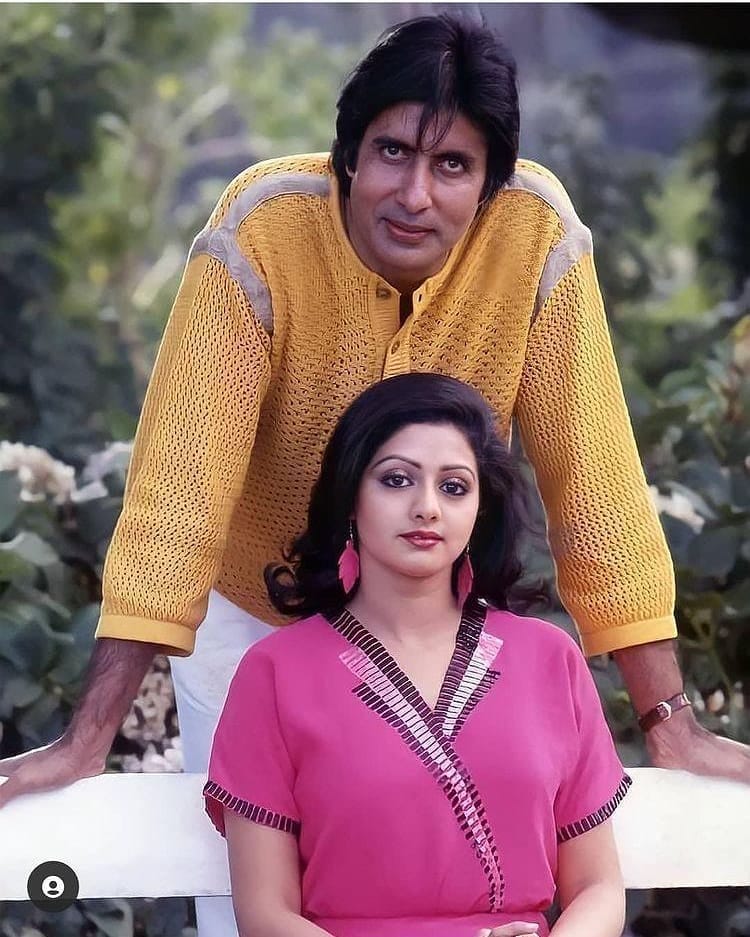
You must be wondering what could be the possible reason for Sri’s refusal to work with Amitabh, but let us clarify that there was no personal grudge.
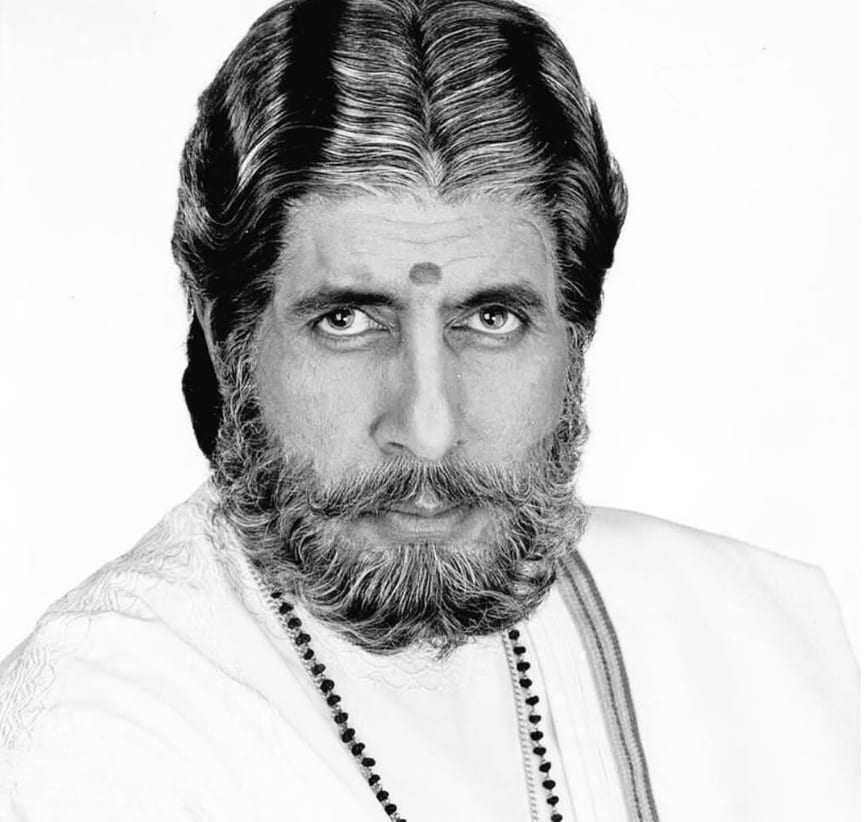
Sridevi believed that Amitabh had such a towering persona that any leading lady as her main lead would just be a showpiece in the movie.
Known for choosing strong, performance-oriented roles, Sridevi thought that she would not get a strong role and end up being a doll. She didn’t want to play a showpiece, even if it meant turning down Bollywood’s biggest superstar.
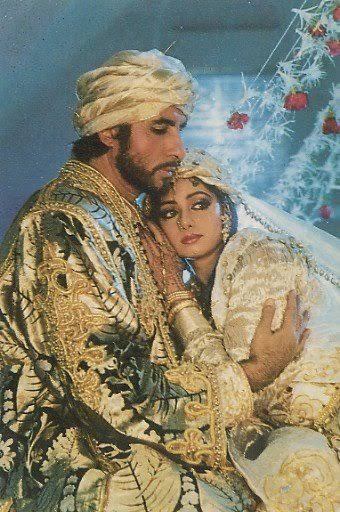
In 1992, Dimple Kapadia was the first choice for Khuda Gawah. When she declined due to fee issues, the role was offered to Sridevi, but she said no once again.
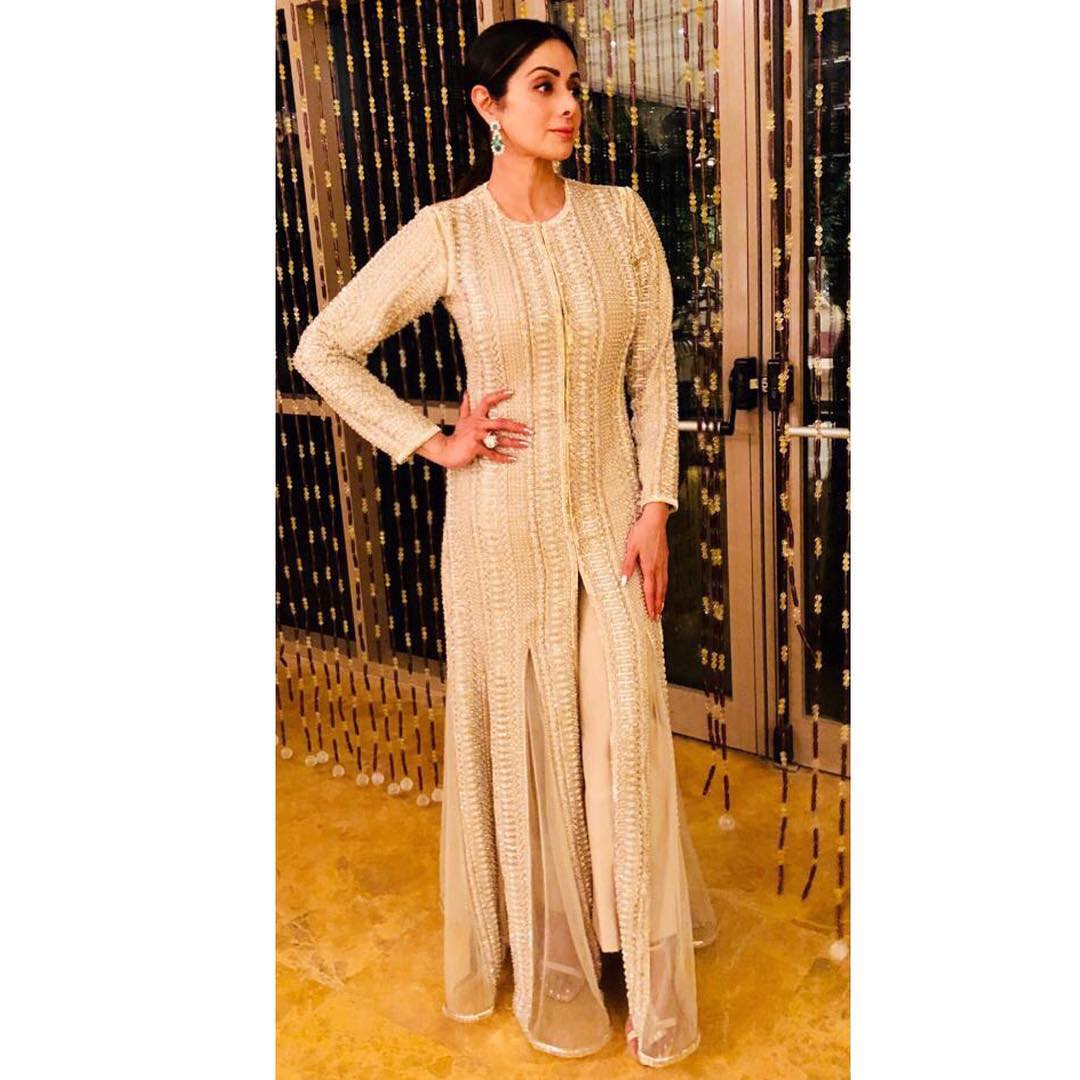
Amitabh Bachchan, however, was determined. Even after knowing Sridevi had refused the film, he sent her a truck full of roses while she was shooting for a song with Firoz Khan.
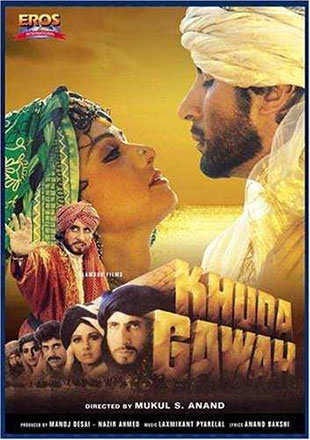
The truck was dumped in front of Sridevi, and this grand gesture worked like magic. Sridevi was moved by Amitabh’s actions, and she finally said yes to Khuda Gawah, playing the female lead of the movie.
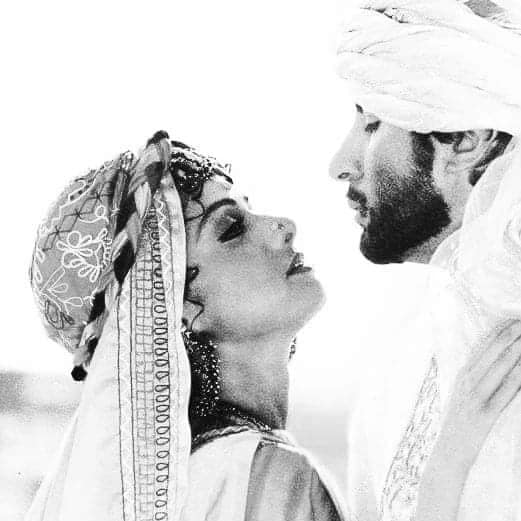
Made on a budget of Rs 17 crore, the film went on to become a blockbuster, and it became the third-highest-grossing film of that year.
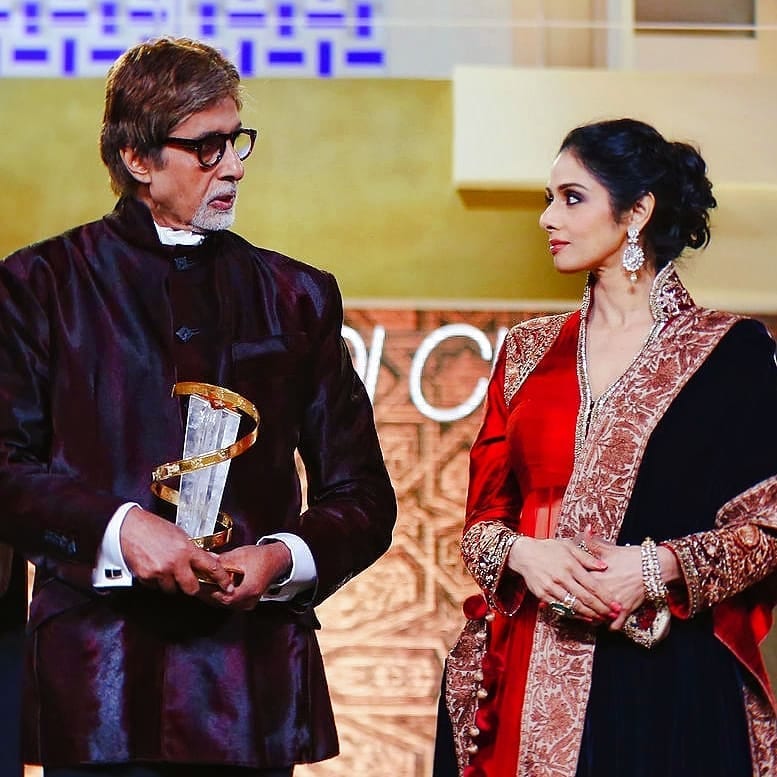
Besides Khuda Gawah, it’s worth noting that Amitabh Bachchan and Sridevi have shared screen space in Inquilaab (1984), Aakhree Raasta (1986), and English Vinglish (2012).